Top Ergonomic Bags for Work, Travel, and Daily Use
We may earn a commission for purchases made using our links. Please see our disclosure to learn more.
Carrying the right ergonomic bag can make a big difference in how your body feels throughout the day. A good bag doesn’t just store your things—it helps you move comfortably, keeps your posture in check, and takes pressure off your shoulders and back. With so many styles and brands out there, it’s not always obvious which ones actually help your body. This guide breaks everything down in simple terms and highlights some of the best ergonomic bags worth considering.
Why an Ergonomic Bag Matters More Than You Think
Most people choose a bag because it looks nice or has enough pockets. But your bag affects how your body carries weight every single day. When straps dig into your shoulders or a backpack leans too far backward, your muscles work harder than they should. That extra effort may show up as:
- Shoulder pain
- Neck tightness
- Lower back discomfort
- Slouching or poor posture
- Feeling tired after walking or commuting
One study in the Journal of Physical Therapy Science showed that uneven or poorly placed weight in a backpack can change the way your body stands and moves. In simple terms: if your bag is fighting against your body, you’ll feel it.
An ergonomic bag is built to work with you. Every part—from the straps to the padding—is designed to keep weight balanced and reduce strain.
Key Features to Look for in an Ergonomic Bag
Not all bags labeled “ergonomic” are created equal. Here are the features that actually matter:
Balanced Weight Distribution – A good ergonomic bag keeps the weight centered and close to your back, so it doesn’t pull you forward or backward.
Breathable, Padded Back Panels – Soft, ventilated padding helps prevent sweating and adds cushion where your back needs it most.
Adjustable Shoulder Straps – Straps should be wide, slightly curved, and easy to adjust so the bag fits your body comfortably.
Multiple Compartments – Separate pockets help spread out the load instead of letting everything sink to the bottom.
A Supportive Frame or Structure – A bag that holds its shape prevents awkward lumps and keeps weight steady.
Lower-Back (Lumbar) Support – Some bags include extra padding at the bottom of the back panel, which supports healthier posture.
A review in Applied Ergonomics noted that strap width and overall bag structure can noticeably reduce pressure on your shoulders. In other words, thoughtful design matters just as much as what you put inside the bag.
The Best Ergonomic Bags for Comfort and Daily Use
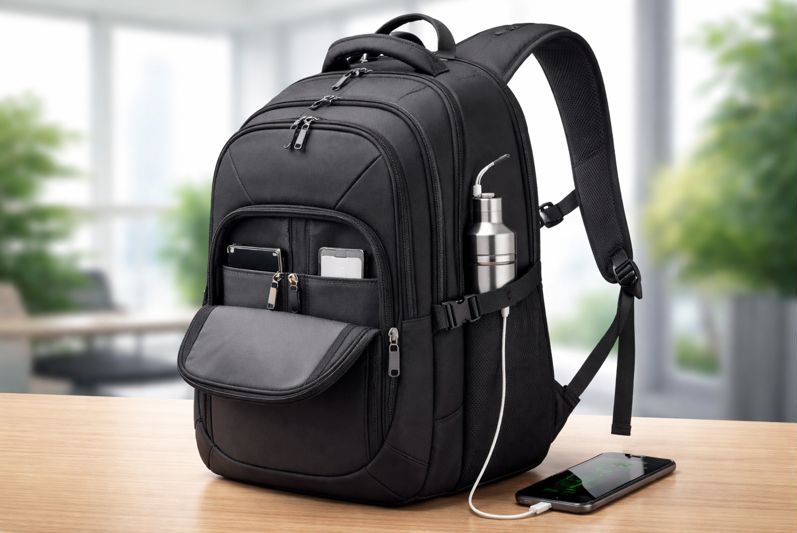
These five Amazon picks consistently get high praise for comfort, durability, and smart weight distribution.
1. Samsonite Tectonic 2 Large Backpack
This backpack is a strong choice for people who carry a lot every day. Samsonite is known for long-lasting travel gear, and this model adds real ergonomic benefits.
Why it feels comfortable:
- Thick, breathable padding along the back
- Curved straps that sit naturally on your shoulders
- A sturdy frame that keeps the bag from sagging
- Lower-back support that helps you stand straighter
Best for: Office workers, students, and travelers who need a reliable laptop-friendly bag.
Many users mention how surprisingly comfortable it remains during long walks or airport days.
2. Targus Drifter II Laptop Backpack
If you want something rugged and dependable, the Drifter II is built for heavy use.
Comfort features:
- A deeply padded back panel
- Thick shoulder straps that spread out pressure
- A water-resistant bottom to protect gear
- Compartments arranged to balance weight
Best for: Commuters, tech professionals, and anyone carrying valuable equipment.
Its vented back design helps keep you cooler, which is a big win for warm climates or long commutes.
3. Matein Travel Laptop Backpack (USB Port)
The Matein backpack is a top seller for good reason—it’s budget-friendly, lightweight, and surprisingly ergonomic.
What makes it a standout:
- Airflow padding that keeps your back comfortable
- A lightweight but supportive structure
- A hidden anti-theft pocket
- A built-in USB charging port for on-the-go use
Best for: Students, everyday commuters, and travelers looking for value and comfort.
The design keeps the weight close to your body, which makes it feel lighter than it actually is.
4. KAKA Travel Duffel/Backpack Hybrid
If you like switching between a duffel and a backpack, this hybrid bag gives you the flexibility to carry it in multiple ways.
Why it’s ergonomic:
- S-shaped straps that ease shoulder strain
- Several carrying positions so you can switch when tired
- Reinforced stitching for heavier loads
- Spacious compartments that still hold their shape
Best for: Weekend trips, gym sessions, or remote workers carrying mixed gear.
Its versatility makes it a favorite for people with busy, active lifestyles.
5. SwissGear ScanSmart 1900 Laptop Backpack
SwissGear is known for comfort and durability, and the ScanSmart 1900 is especially popular among frequent flyers.
Ergonomic benefits:
- An airflow system that helps keep your back cool
- Contoured straps that reduce shoulder fatigue
- A TSA-friendly layout that opens flat
- Balanced internal compartments to prevent sagging
Best for: Business travelers, remote professionals, and anyone who wants a long-lasting ergonomic bag.
Many users mention that it feels lighter than expected because of how well it balances weight.
Are Ergonomic Bags Really Better? What Studies Show
Everything points to yes—as long as the bag is designed with proper support.
Studies show that the way a bag holds and distributes weight changes how your body moves. One study on backpack design found that keeping the load close to your spine helps maintain healthy alignment and lowers stress on the lower back.
Another study showed that even moderate backpack weight can change your posture by increasing forward lean and placing more pressure on your spine.
Key takeaways from the research:
- Wide, contoured straps reduce muscle pressure
- Evenly spaced compartments prevent all the weight from falling to one spot
- Back panels with structure keep the load stable
- Wearing a bag too low increases spinal stress
The closer and more evenly spread the weight, the easier it is for your body to stay comfortable.
Conclusion
A good ergonomic bag does more than carry your things—it helps you move comfortably, protects your posture, and reduces daily strain. Choosing a design that fits your routine and distributes weight evenly can make your commute or travel feel smoother right away. And if you’re trying to improve your overall setup at work or home, you might also want to explore ergonomic kneeling chair options to support better posture throughout the day.
FAQs
1. What makes a bag ergonomic?
A bag is ergonomic when it keeps weight balanced, supports healthy posture, and uses padded straps and panels to reduce pressure.
2. Can an ergonomic bag help with back pain?
Yes. A well-designed bag eases stress on your spine and shoulders, which can help reduce or prevent pain.
3. Is a backpack better than a tote?
Most of the time, yes. A backpack balances the weight on both sides instead of putting all the pressure on one shoulder.
4. Are ergonomic bags worth investing in?
Definitely. They improve comfort and often last longer because they’re built with better support.
5. How do I keep my ergonomic bag comfortable?
Organize items, avoid overpacking, and adjust the straps so the bag sits high and close to your back.