Essential Ergonomics For The Elderly
We may earn a commission for purchases made using our links. Please see our disclosure to learn more.
Ergonomics for the elderly focuses on one simple goal: making everyday spaces safer and more comfortable as the body ages. As strength, balance, and joint flexibility change over time, poorly designed seating, beds, and home layouts can increase pain and raise the risk of falls. Thoughtful ergonomic choices help reduce strain, support better posture, and make daily movements easier. This guide explains how ergonomics supports healthy aging and highlights practical adjustments that improve comfort, safety, and independence at home.
What Ergonomics For The Elderly Really Means
Ergonomics is often associated with office desks and computer chairs, but its true purpose goes far beyond workspaces. For seniors, ergonomics is about alignment, support, and ease of movement throughout daily life.
How Aging Changes Posture, Strength, and Balance
As we age, natural physical changes occur:
- Muscle mass gradually declines
- Joints lose flexibility
- Bone density decreases
- Reaction time slows
Because of these shifts, positions that once felt “normal” may now place stress on the spine, hips, knees, and shoulders. Poor seating, low beds, or slippery floors can quickly turn into daily hazards.
Ergonomic design compensates for these changes by reducing physical effort, improving stability, and encouraging safer movement patterns.

Why Poor Ergonomics Causes Pain and Injury in Seniors
Bad ergonomics doesn’t always cause immediate pain. Instead, it creates repetitive strain that slowly wears the body down.
The Link Between Posture, Joint Stress, and Falls
When posture collapses—such as slouching in unsupported chairs—the spine shifts out of alignment. That imbalance forces muscles and joints to work harder, often leading to:
- Chronic lower back pain
- Neck stiffness
- Hip and knee discomfort
- Reduced balance
According to geriatric health research, improper seating height and lack of arm support significantly increase fall risk when standing up or sitting down. Falls remain one of the leading causes of injury among older adults, making ergonomics a serious safety issue—not just a comfort upgrade.
Key Ergonomic Areas That Matter Most for Older Adults
Ergonomics for the elderly works best when applied holistically. Instead of focusing on one item, it addresses how the body moves throughout the day.
Seating and Chairs
Chairs should support:
- Upright posture
- Feet flat on the floor
- Easy sit-to-stand transitions
Low, soft couches often look inviting but make standing difficult. Firmer seating with proper lumbar support protects joints and conserves energy. Many seniors also benefit from active sitting options, which promote gentle movement and spinal engagement.
Sleeping Posture
Beds that are too low strain hips and knees. Mattresses that are too soft fail to support spinal alignment. Proper sleep ergonomics helps reduce morning stiffness and improves sleep quality.
Standing and Walking
Supportive footwear, anti-slip mats, and proper lighting all contribute to safer movement. Even small adjustments, like removing loose rugs, reduce unnecessary risk.
Daily Household Activities
Tasks like cooking, bathing, and dressing should not require excessive bending or reaching. Ergonomic tools help seniors conserve energy while maintaining independence.
Recommended Ergonomic Products for Seniors
These commonly available products focus on comfort, safety, and daily usability. They’re widely recommended by occupational therapists and caregivers.
- Lift Assist Recliner Chair – Helps seniors stand up safely without straining knees or hips.
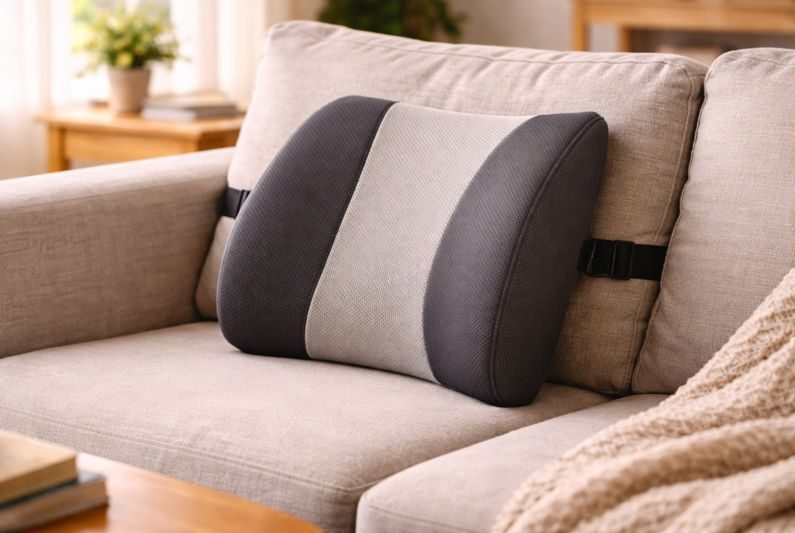
- Memory Foam Lumbar Support Cushion – Improves spinal alignment when sitting for extended periods.
- Ergonomic Bed Rail with Handle – Adds stability when getting in and out of bed.
- Non-Slip Shower Chair with Backrest –Reduces fall risk during bathing.
- Adjustable Walking Cane with Ergonomic Grip –Improves balance while minimizing wrist strain.
Each of these items addresses a common physical challenge associated with aging while remaining easy to use.
Why Small Home and Seating Changes Make a Big Difference for Seniors
It is easy to overlook how much a home’s setup affects an older adult’s comfort and safety. Chairs, walkways, and everyday routines often stay the same for years, even as the body changes. Research shows that adjusting these small details can make daily life noticeably safer and easier for seniors.
One large review from the Cochrane Database looked at fall prevention in older adults who live independently. The researchers found that when homes were assessed for safety and simple changes were made, such as improving lighting, removing trip hazards, and adding support in key areas, both the number of falls and the risk of falling went down. These improvements were especially helpful for seniors who already had balance issues or limited mobility. The results were strongest when the changes were guided by an occupational therapist, who knows how everyday spaces should support aging bodies.
Seating turned out to be another major factor. A 2018 study on seating in aged care settings focused on how well chairs actually fit older adults. Many participants struggled with chairs that were too low or too deep. These designs made it harder to keep feet flat on the floor and increased the effort needed to stand up. Over time, that extra strain can affect the knees, hips, and lower back. The study found that chairs with the right seat height and sturdy armrests made standing up feel more stable and required less effort, which helped seniors stay more independent.
Ergonomics for the elderly does not require a full home makeover or specialized equipment. Paying attention to chair height, adding support where it is needed, and removing small hazards can protect mobility and confidence. These changes may seem minor, but over time they help seniors move more safely and comfortably in their own homes.
Simple Ergonomic Tips Seniors Can Apply Today
You don’t need a full home makeover to see results. These practical adjustments make an immediate difference.
- Choose chairs with armrests to assist standing
- Keep frequently used items at waist height
- Sit with hips slightly higher than knees
- Use firm cushions instead of soft pillows for back support
- Wear shoes with proper arch support indoors
Most importantly, listen to discomfort signals early. Pain is often the body’s first warning sign that something needs adjustment.
When to Consider Professional Ergonomic Help
If chronic pain persists or mobility becomes limited, professional input can help. Physical therapists and occupational therapists assess movement patterns and recommend personalized ergonomic changes.
This step is especially useful after surgery, injury, or during periods of rapid physical decline.
Conclusion
Ergonomics for the elderly is about dignity, safety, and long-term health. When environments support aging bodies, seniors move more confidently, experience less pain, and maintain independence longer.
Small ergonomic upgrades—better chairs, safer bathrooms, supportive tools—can prevent serious injuries and improve everyday comfort. If you’re caring for an older adult or planning ahead for your own future, now is the right time to prioritize ergonomic living.
Comfort today protects mobility tomorrow.
FAQs
1. What is the most important ergonomic change for seniors?
Proper seating height and support. Chairs that make standing easier dramatically reduce fall risk.
2. Can ergonomics really reduce pain in older adults?
Yes. Research shows ergonomic support lowers joint strain and improves posture-related pain.
3. Are ergonomic products expensive?
Not necessarily. Many effective ergonomic tools are affordable and widely available online.
4. Is ergonomics only for seniors with mobility issues?
No. Ergonomics benefits all older adults, including those who are still active and independent.
5. How often should ergonomic setups be reviewed?
At least once a year—or after any health or mobility changes.