
The Best Ergonomic Backpacks For 2026
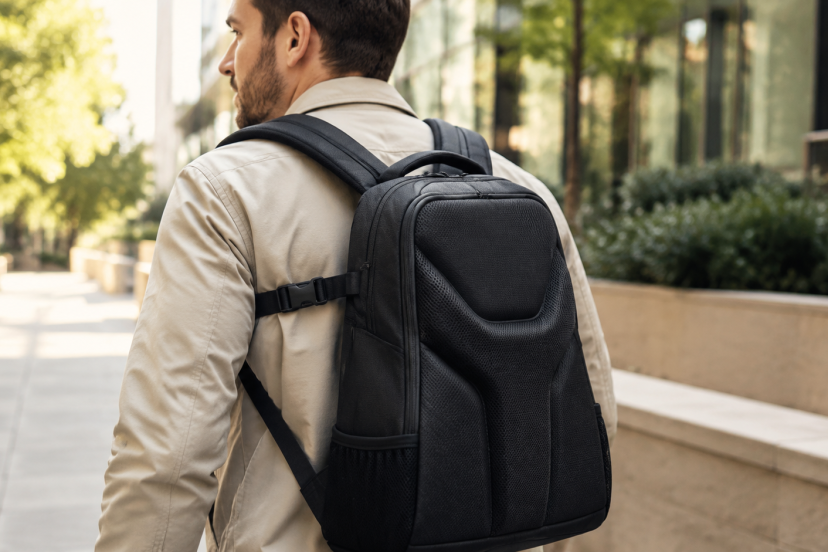
We may earn a commission for purchases made using our links. Please see our disclosure to learn more.
A backpack can look comfortable yet feel miserable after a crowded commute or a long walk through an airport. Padding helps, but genuine carrying comfort depends on fit, load placement, strap design, and how well the bag stays against your body. The best ergonomic backpacks address these details together. They use adjustable shoulder straps, stable back panels, sensible compartments, and—in many cases—sternum or waist straps. These features can spread pressure more evenly and stop the contents from shifting as you move.
After comparing designs available from Amazon in 2026, we selected five backpacks for different users. Whether you carry a large laptop, commute on foot, travel frequently, or simply want a lightweight everyday bag, one of these models should suit your routine.
Prices and availability may change. Always confirm the current specifications and seller information on Amazon before ordering.
What Makes a Backpack Ergonomic?
“Ergonomic” is not a protected backpack certification. Manufacturers can use the word loosely, so focus on functional features instead of marketing claims.
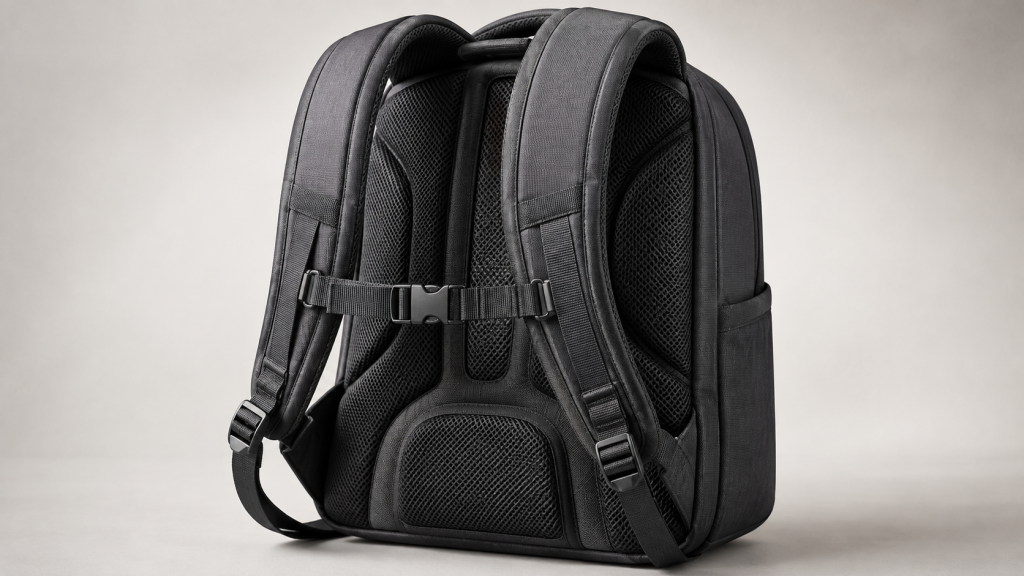
A comfortable backpack should have two broad, adjustable shoulder straps. Contoured straps generally follow the upper body better than straight, stiff ones. The back panel should provide structure without creating hard pressure points.
A sternum strap helps stabilize the shoulder straps, particularly when you walk quickly or ride a bicycle. A waist belt can transfer some load toward the hips, although a thin webbing belt mainly controls movement rather than carrying substantial weight.
Internal organization matters as well. A dedicated sleeve keeps a laptop flat and close to your back, while separate pockets prevent smaller objects from collecting at the bottom. You can learn more about these design principles guide to the benefits of an ergonomic backpack.
Research supports taking load and fit seriously. A comprehensive review of backpack biomechanics found that backpack weight, position, and strap length can influence posture, muscle activity, and movement. In other words, an expensive suspension system cannot compensate for a poorly adjusted or overloaded bag.
The 5 Best Ergonomic Backpacks for 2026
1. The North Face Recon — Best Overall
The North Face Recon strikes the best balance between support, organization, and everyday versatility. Its 30-liter capacity works well for commuting, college, day trips, and personal-item travel.
The standout feature is the FlexVent suspension system. It combines articulated shoulder straps with a rounded, structured back panel. A sternum strap and removable waist belt add stability when the bag is full.
The Recon also has a dedicated laptop sleeve, two water-bottle pockets, and a large exterior mesh pocket. However, its generous capacity may encourage overpacking, and the structured design feels bulkier than a minimalist office bag.
Best for: Commuters and students who want one backpack for several uses.
2. Osprey Nebula 32 — Best for Long Commutes
The Osprey Nebula 32 is a strong choice if your day involves considerable walking. Its AirScape back panel uses ridge foam and a framesheet to create structure while maintaining ventilation.
Spacer-mesh shoulder straps provide cushioning without feeling excessively soft. The sternum strap and removable webbing belt help keep the 32-liter pack from swinging when you move.
A separate laptop compartment keeps heavier technology near the body and opens flat for easier airport screening. At approximately 2.1 pounds, the empty bag remains reasonably light for its capacity. Its outdoor styling, however, may not suit a formal office.
Best for: Walking commuters, travelers, and people who carry equipment all day.
3. SwissGear 1900 ScanSmart — Best for Large Laptops
The SwissGear 1900 ScanSmart suits users who carry a 17-inch laptop, tablet, charger, documents, and numerous accessories.
It features contoured padded straps, adjustable compression straps, and a heavily cushioned airflow back panel. Its 31-liter interior includes an accordion file holder and multiple organization pockets. The ScanSmart laptop compartment also opens flat at many airport security checkpoints.
The tradeoff is weight and bulk. The sturdy materials and extensive padding make this a substantial backpack before you add any equipment. It works best when you genuinely need the capacity rather than when you carry only a laptop and notebook.
Best for: Business travelers and users with large laptops or extensive tech gear.
4. Targus Drifter II — Best for Lumbar Padding
The Targus Drifter II prioritizes protection and back padding. Its rear cushioning includes a lower section designed to provide lumbar support, while the thick shoulder straps distribute pressure across a larger area.
Multiple compartments make it easy to position a laptop near your back and separate documents from cables. The rugged, water-resistant base is another practical feature for train platforms, classrooms, and airports.
This is one of the heaviest options in the group. Although the padding feels comfortable, carrying unnecessary bag weight defeats part of the ergonomic benefit. Choose it when protection and storage matter more than minimal weight.
Best for: Heavy technology loads and users who prefer firm back cushioning.
5. Osprey Daylite Plus — Best Lightweight Option
The Osprey Daylite Plus is the smallest recommendation, with enough room for daily essentials without inviting excessive packing.
Its spacer-mesh shoulder straps, ventilated back panel, sternum strap, and removable waist strap create a stable fit for walking or sightseeing. Side pockets hold bottles, while an interior sleeve can carry a hydration reservoir or tablet.
The sleeve does not offer the same laptop protection as a dedicated padded compartment. Therefore, this bag makes more sense for light commuting, short hikes, and travel days than for carrying an expensive computer.
Best for: Smaller loads, sightseeing, casual day hikes, and warm-weather use.
Quick Comparison
| Backpack | Capacity | Strongest Feature | Best Use |
| The North Face Recon | 30L | Balanced suspension | Everyday commuting |
| Osprey Nebula 32 | 32L | Structured AirScape panel | Long walking commutes |
| SwissGear 1900 | 31L | 17-inch laptop storage | Business and technology |
| Targus Drifter II | Large | Firm lumbar padding | Heavy electronics |
| Osprey Daylite Plus | 20L | Lightweight stability | Light daily loads |
How to Choose an Ergonomic Backpack
Start with your normal load—not the largest load you might carry once a year. An oversized backpack adds material weight and leaves room for items you do not need.
Next, compare the best ergonomic backpacks length with your torso. The top should not tower above your shoulders, while the bottom should sit around the waist instead of hanging near the hips. People with shorter or narrower frames may benefit from a women-specific or small-fit version.
Check these features before buying:
- Two broad, easily adjustable shoulder straps
- A back panel that follows your torso without hard edges
- A sternum strap with a useful adjustment range
- A secure sleeve for your heaviest item
- Multiple compartments for balanced packing
- Low empty weight relative to capacity
- A practical return policy in case the fit is wrong
You may also find this overview of ergonomic bags for work, travel, and daily use helpful.
Fit and Packing Matter More Than Extra Padding
Use both shoulder straps and keep them at equal lengths. Tighten them until the bag rests close to your back, but stop if the straps restrict movement or create tingling.
Place your laptop, books, or other dense objects closest to your spine. Put lighter, softer items farther away. Tighten compression straps when available so the contents cannot pull backward.
The American Academy of Pediatrics offers similar guidance in its backpack safety recommendations, including broad shoulder straps, even adjustment, and sensible weight management. Although the guidance focuses on children, adults also benefit from balanced packing and a close fit.
No backpack can guarantee relief from back or shoulder pain. Persistent pain, weakness, or numbness deserves assessment from a qualified healthcare professional.
Conclusion
The best ergonomic backpacks is the one that fits your body, holds your actual daily load, and remains comfortable after more than a few minutes. For most people, the North Face Recon offers the strongest balance. The Osprey Nebula 32 is better for extended walking, while the SwissGear 1900 and Targus Drifter II accommodate heavier technology. For a lighter load, choose the Osprey Daylite Plus.
Whichever model you buy, adjust it carefully and resist filling every available pocket. Good ergonomics begins with thoughtful packing, because carrying less remains the simplest way to reduce strain.
FAQs
What is the best ergonomic backpack overall?
The North Face Recon is the strongest all-around choice because it combines a structured suspension system, articulated straps, load-control features, laptop storage, and practical organization.
Are ergonomic backpacks helpful for back discomfort?
The best ergonomic backpacks may reduce unnecessary strain by improving load stability and pressure distribution. However, they do not treat injuries or medical conditions, and an overloaded ergonomic bag can still cause discomfort.
How heavy should my backpack be?
There is no perfect limit for every adult. Carry the lightest practical load and watch for forward leaning, shoulder pressure, numbness, or altered walking. Those signs indicate that the load or fit needs attention.
Is a chest strap or waist belt more important?
A chest strap stabilizes the shoulder straps and controls side-to-side movement. A supportive hip belt can transfer meaningful weight toward the pelvis. Thin webbing waist straps mainly limit bouncing.
What is the correct position for wearing a backpack?
It should sit close to your torso, with its bottom around the waist rather than sagging over the hips. The exact position depends on your torso length and the backpack’s design.