Active Sitting Chairs Worth Buying in 2026
We may earn a commission for purchases made using our links. Please see our disclosure to learn more.
Sitting for long hours has become unavoidable, but sitting still all day is where most problems begin. Traditional office chairs encourage fixed postures that increase stiffness, fatigue, and lower-back discomfort over time. Active sitting chairs are designed to solve this by allowing small, natural movements while you work.
Instead of locking your body in place, these chairs promote posture changes that reduce constant spinal pressure and help you stay more comfortable and focused throughout the day. In this guide, we break down which active sitting chairs are worth buying in 2026, how they work, and what to look for before making a purchase.
What Does “Active Sitting” Really Mean?
Active sitting doesn’t mean bouncing nonstop or working out at your desk. It’s simpler than that.
It refers to micro-movements—small, natural shifts that keep your spine upright, your core lightly engaged, and your joints from stiffening.
Think of it like this:
Traditional chairs support your body.
Active sitting chairs invite your body to participate.
That participation is what helps many users feel more alert and less achy by the end of the day.
How Active Sitting Chairs Improve Posture and Focus
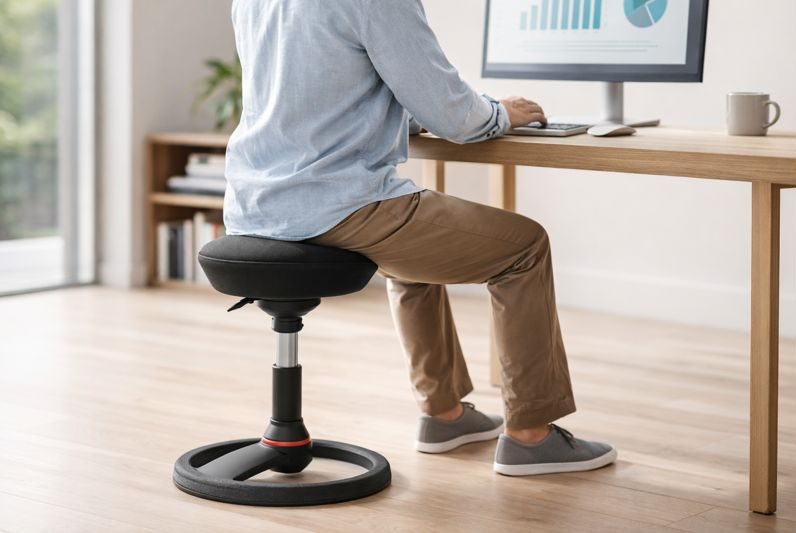
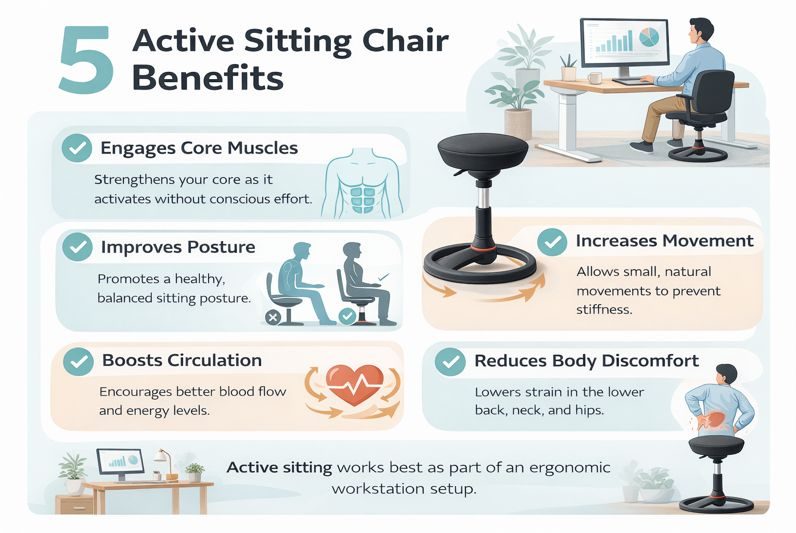
Micro-Movement Supports Spinal Alignment
When your chair allows gentle motion, your spine naturally stays taller. You’re less likely to slump because there’s no backrest encouraging collapse.
Over time, that upright posture becomes second nature.
Core Engagement Without Conscious Effort
One of the biggest perks? Your body activates the core automatically, without you needing to think about it. The chair does the work quietly in the background.
That light engagement helps reduce lower-back strain—especially during long desk sessions.
Better Focus, Less Fidgeting
Many users report improved focus with active sitting. Why? Because movement helps regulate attention. Instead of fidgeting or zoning out, your body stays subtly engaged.
What to Look for When Buying an Active Sitting Chair
Not all active sitting chairs are created equal. Some are genuinely helpful. Others are uncomfortable gimmicks.
Here’s what actually matters.
Seat Design and Movement Range
A good active sitting chair allows controlled motion, not wobbling chaos. Look for designs that move with you but still feel stable.
Height Adjustability
Desk height varies. Your chair should adjust easily so your feet rest flat on the floor and your knees sit at a comfortable angle.
Stability vs. Freedom
Too much instability leads to fatigue. Too little defeats the purpose. The best chairs strike a balance—especially for beginners.
Best Active Sitting Chairs in 2026
These selections are based on long-term user feedback, ergonomics reviews, and real-world comfort—not hype.
1. Varier Variable Balans Kneeling Chair
A classic for a reason. This chair gently tilts your pelvis forward, encouraging a neutral spine. It’s ideal for focused desk work and people who want posture support without constant motion.
Best for: Writers, designers, and remote workers
Why it stands out: Proven design with decades of use
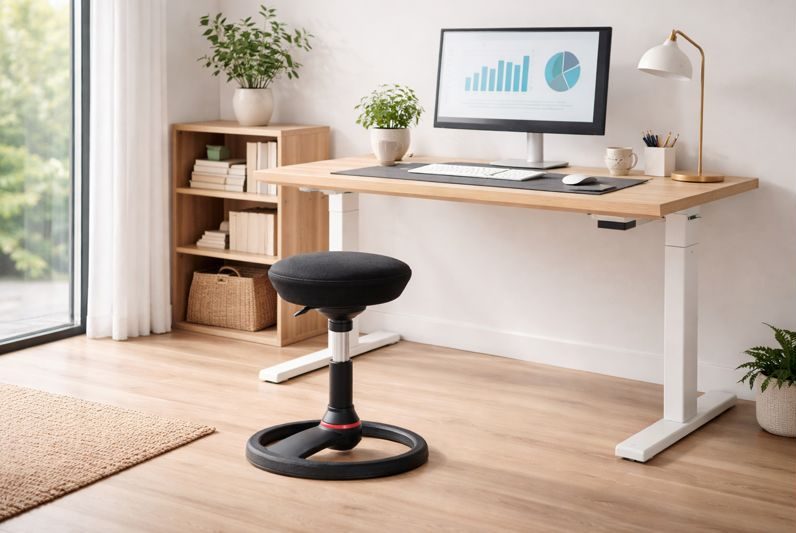
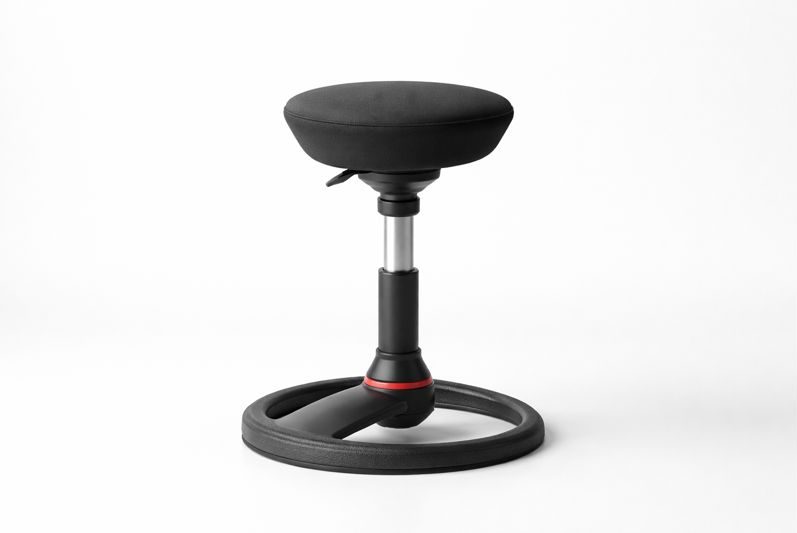
2. Ergonomic Wobble Stool
Minimalist, sleek, and surprisingly supportive. The wobble stool allows 360-degree movement while maintaining excellent balance.
Best for: Standing-desk users who want flexible seating
Why it stands out: Smooth motion without instability
3. Backless Wobble Stool
This chair blends traditional comfort with active sitting benefits. It offers a subtle rocking motion and a cushioned seat.
Best for: Beginners transitioning from standard office chairs
Why it stands out: Comfortable for long sessions
4. Varier Ergonomic Office Kneeling Chair
Lightweight and easy to move, this stool encourages upright posture without forcing it. It’s especially popular in home offices.
Best for: Small workspaces
Why it stands out: Simple, intuitive design
5. Professional Saddle Stool with Wheels
Designed for all-day use, this chair supports natural movement while reducing pressure on the lower spine.
Best for: Professionals with chronic back discomfort
Why it stands out: Balance + comfort combo
What Science and Expert Reviews Say About Active Sitting
Research shows that sitting still for long periods increases pressure on the spine, which can lead to discomfort over time. Active sitting helps by allowing small, natural movements instead of locking the body in one position.
A major review in Applied Ergonomics found that active sitting does not always increase core muscle strength, but it can help reduce the negative effects of staying still for too long. Movement itself—not muscle training—is the main benefit.
A controlled study published in PLOS ONE showed that dynamic chairs create gentle loading and unloading of the lower back, reducing constant pressure on the spine during long sitting periods.
The bottomline: active sitting isn’t about exercise. It’s about avoiding long, unmoving postures. When combined with a well-set workstation, it can make sitting more comfortable throughout the day.
Who Should Use an Active Sitting Chair?
Active sitting chairs work best for people who:
- Sit more than 4–6 hours per day
- Struggle with posture awareness
- Want more energy during desk work
They’re especially helpful for remote workers and creatives.
Who Should Be Cautious?
If you have balance limitations or acute spinal injuries, consult a professional first. Some users also prefer alternating between an active chair and a traditional one.
How to Use an Active Sitting Chair Without Fatigue
Here’s the mistake many people make: using it all day from day one.
Instead:
- Start with 30–60 minutes
- Alternate with a standard chair
- Let your body adapt gradually
This approach builds endurance without discomfort.
Final Thoughts
Active sitting chairs won’t fix everything, but they do make long hours at a desk feel more manageable by keeping your body from staying locked in one position. When you pair better seating with smarter workstation choices, comfort becomes easier to maintain day after day. If you’re interested in how small ergonomic upgrades can reduce everyday strain, you might also enjoy reading about ergonomic crochet hook sets.
FAQs
1. Are active sitting chairs good for lower back pain?
Yes, many users report reduced discomfort due to improved posture and core engagement.
2. Can I use an active sitting chair all day?
You can, but most experts recommend alternating with traditional seating.
3. Do active sitting chairs replace ergonomic office chairs?
Not entirely. They complement them well in a mixed setup.
4. Are they suitable for standing desks?
Absolutely. Many active stools pair perfectly with adjustable desks.
5. How long does it take to get used to one?
Most people adapt within one to two weeks with gradual use.