Why Ergonomic Kneeling Chairs Will Save Your Back
We may earn a commission for purchases made using our links. Please see our disclosure to learn more.
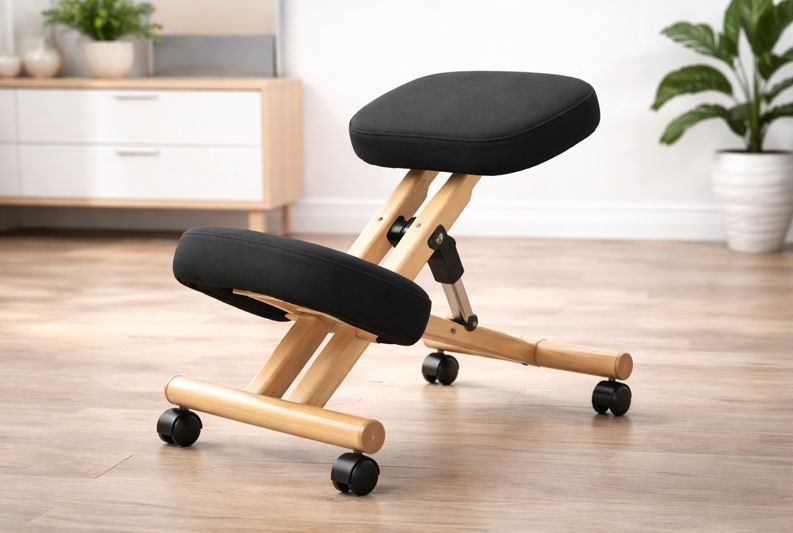
Sitting all day can do a number on your back, especially if your chair doesn’t support good posture. That’s why ergonomic kneeling chairs are getting so much attention. They change how your body sits. This chair shifts some weight to your shins and opens your hip angle so your spine can stay naturally aligned. It’s a different way to sit, but many people find it surprisingly comfortable and much easier on their lower back. And as research continues to show, the benefits aren’t just hype.
How Kneeling Chairs Improve Posture and Reduce Back Pain
Kneeling chairs look a little unusual because they break the traditional “90-degree sitting” rule. Instead of bending your hips and slouching forward, your body shifts into a more open angle—usually around 110–130 degrees.
The Science Behind Open-Angle Seating
A study published in the Journal of Manipulative and Physiological Therapeutics found that an open-hip seating angle reduces lumbar disc pressure. Sitting upright also activates the muscles that keep the spine aligned. With the torso slightly tilted forward, your lower back stays in a more neutral position.
Why Your Spine Feels Better in a Kneeling Chair
When your hips open up:
- Your pelvis tilts forward
- Your core muscles start working
- Your spine stays naturally aligned
- Your shoulders relax
This upright posture takes the pressure off your lumbar discs—one of the biggest triggers of chronic low-back pain.
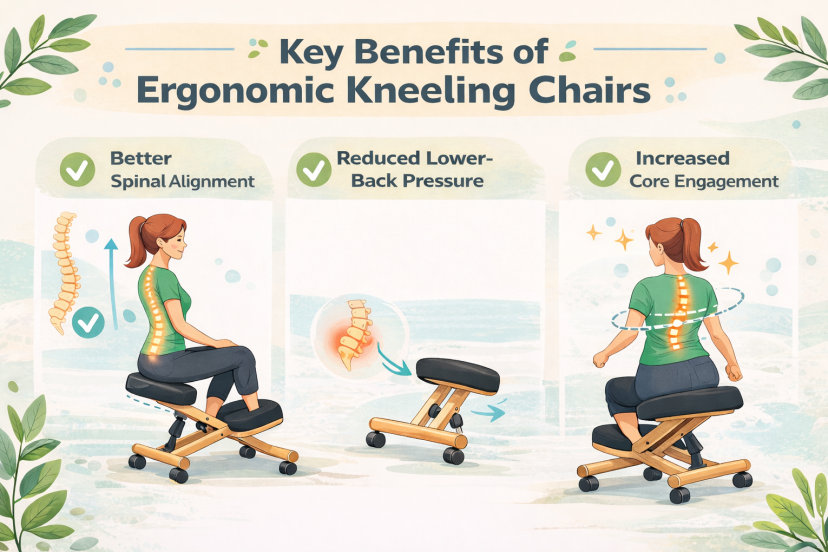
Key Benefits of Ergonomic Kneeling Chairs
Better Spinal Alignment
Most people who switch to kneeling chairs notice the change immediately. Your body naturally sits taller, and your shoulders stack above your hips without effort.
Reduced Lower-Back Pressure
Your weight is spread between your seat and the shin pads, reducing tailbone pressure. This shift helps prevent the slow collapse into a slouch, something traditional chairs struggle with.
Increased Core Engagement
With reduced back support, your body stays more active. You’re not “exercising” in a kneeling chair, but you are keeping your core engaged, which is healthier for long-term posture.
Who Should Consider Switching to a Kneeling Chair?
A kneeling chair can benefit:
- People with lower-back discomfort
- Office workers who sit 6–10 hours daily
- Students who struggle to stay upright at their desks
- Remote workers with limited space
- Anyone who wants better posture without expensive ergonomic equipment
However, kneeling chairs aren’t for everyone. People with knee injuries or circulation problems may need more customization or a padded model.
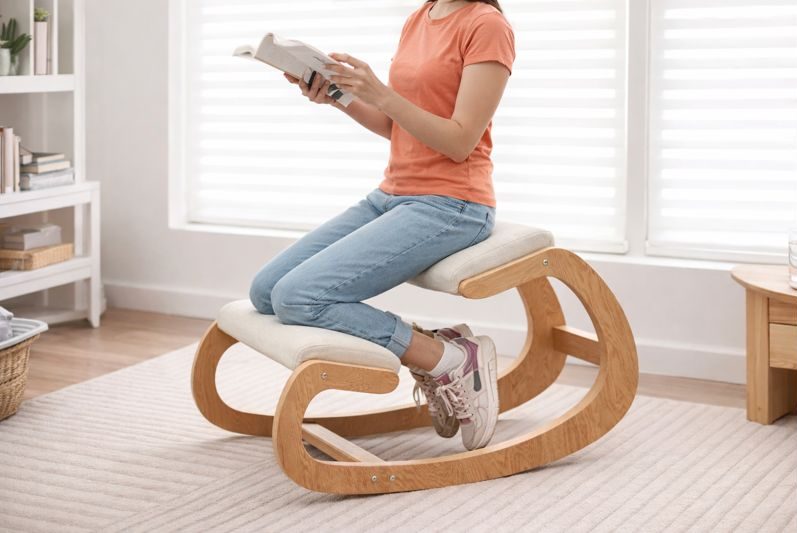
5 Best Ergonomic Kneeling Chairs
Below are five excellent options based on comfort, adjustability, durability, and user reviews.
1. DRAGONN Ergonomic Kneeling Chair
A popular choice for anyone new to kneeling chairs. It’s adjustable, supportive, and sturdy enough for daily use. The thick padding helps reduce pressure on your shins.
2. NYPOT Ergonomic Kneeling Chair
This model includes rocking motion, which is great for people who prefer mobility while working. Its natural glide can help reduce stiffness in long work sessions.
3. DRAGONN Ergonomic Kneeling Chair with Back Support
If you like the idea of a kneeling chair but still want occasional back support, this hybrid design is a smart pick. The backrest gives you more flexibility during long days.
4. Wooden Adjustable Kneeling Chair
Beautiful, sturdy, and minimalist. This wooden frame chair looks stylish in modern offices and offers well-padded cushions for long-term comfort.
5. YAHEETECH Adjustable Ergonomic Kneeling Chair
Known for durability and wide adjustment options, this chair supports users of different heights and desk setups. Great option for households with multiple users.
How to Choose the Right Kneeling Chair for Your Body
When evaluating kneeling chairs, consider:
- Pad thickness and material – Memory foam improves comfort
- Adjustability range – Taller users need higher height settings
- Frame material – Wood looks elegant, metal lasts longer
- Mobility – Rocking models enhance movement
- Seat size – Larger seats support better weight distribution
Think about how long you work and what your body needs before deciding.
Tips for Using an Ergonomic Kneeling Chair the Right Way
Start Slowly
Don’t switch for eight hours on day one. Start with short sessions—around 20 to 30 minutes—and slowly extend the time as your body adjusts.
Alternate Between Chairs
Using only a kneeling chair can cause fatigue. Mix it with a standard ergonomic chair for the best results.
Get Your Desk Height Right
Your desk must match your posture. If it’s too low or too high, you’ll strain your neck or shoulders. A great companion to consider is a small ergonomic desk, especially if you work in a tight space.
Keep Moving
Shift your posture often, stretch your legs, and stand every hour. A kneeling chair supports posture, but movement keeps you healthy.
Can kneeling chairs actually help with posture and reduce discomfort?
While ergonomic theory and user testimonials are valuable, it’s even more convincing when real science backs up the claims. Two well-known studies help us understand how ergonomic kneeling chairs affect the spine and back pain — the two biggest concerns for anyone sitting long hours.
Study 1: Better Lumbar Curve Than Traditional Chairs
Researchers compared spinal positioning between sitting in a standard chair and sitting in an ergonomic kneeling chair.
The results were telling. Participants in kneeling chairs maintained a more natural lumbar curvature compared to those in regular office chairs. In simple terms, this means the lower back stayed closer to its healthy “S-shape” — a posture that reduces spinal strain and potential discomfort. Traditional seats, in contrast, tended to flatten that curvature, which can increase stress on the lower discs over hours of work.
This research supports one of the main reasons people switch to kneeling chairs: better posture with less effort.
Study 2: Kneeling Chairs and Back Pain Relief
Another important study evaluated practical outcomes for people who spend long hours sitting. The paper put kneeling chairs head-to-head with other common ergonomic interventions.
In this comparison, participants using kneeling chairs reported noticeable reductions in low back pain after several weeks — especially compared to traditional ergonomic setups like standard office chairs. While not every participant experienced the same degree of relief, the results clearly showed that alternating seating and posture can help ease discomfort that comes from prolonged sitting.
Kneeling chairs can be part of a strategy to reduce chronic low-back pain when used properly and in combination with movement.
Final Thoughts
Ergonomic kneeling chairs offer a practical way to reduce lower-back strain and support healthier posture by opening the hip angle and encouraging a more natural spinal alignment. When used alongside regular movement and proper desk height, they can ease discomfort from long hours of sitting and improve overall workspace comfort.
FAQs
1. Are ergonomic kneeling chairs good for long hours?
They’re excellent in short to moderate sessions, but alternating between seating positions is ideal for long days.
2. Are kneeling chairs uncomfortable on the knees?
The pads support your shins, not your knees. However, people with knee injuries should choose extra-padded models.
3. Are kneeling chairs better than standing desks?
They serve different purposes. Kneeling chairs improve posture while sitting; standing desks improve movement throughout the day.
4. How long does it take to adjust to an ergonomic kneeling chair?
Give yourself a week or two of easing into it, and the chair will start to feel natural.
5. Do kneeling chairs help with tailbone pain?
Yes. By distributing weight away from the tailbone, kneeling chairs can reduce coccyx pressure significantly.