How Ergonomic Lighting Boosts Productivity
We may earn a commission for purchases made using our links. Please see our disclosure to learn more.
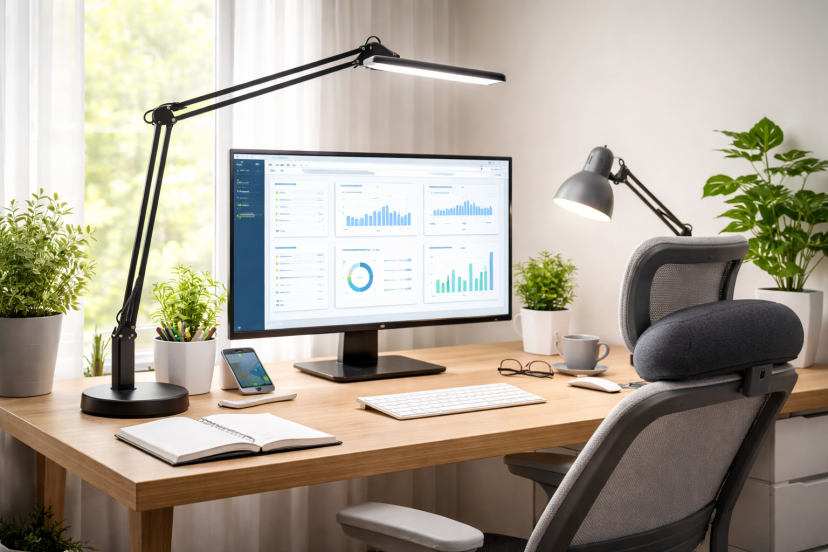
Ergonomic lighting plays a critical role in how well you work each day. Poor lighting can cause eye strain, fatigue, and reduced focus, while the right lighting helps you stay comfortable and productive. Understanding how ergonomic lighting works can help you create a workspace that supports better performance and long-term well-being.
What Is Ergonomic Lighting?
Ergonomic lighting refers to lighting designed to support comfort, efficiency, and health while working. It reduces eye strain, improves visibility, and helps maintain focus throughout the day.
Unlike standard lighting, ergonomic lighting adapts to the user. It considers brightness, color temperature, placement, and glare control.
In simple terms, it helps your eyes work less while your brain works better.
Why Lighting Matters More Than Most People Realize
Most people blame fatigue on workload or stress. However, lighting often plays a quiet but powerful role.
Dim lighting makes your eyes strain more than they should. As a result, your brain uses more energy to process visual information. Over time, this leads to:
- Eye strain
- Headaches
- Reduced concentration
- Slower work speed
- Increased mistakes
On the other hand, good lighting supports natural vision. It keeps your energy steady and helps you stay productive longer.
How Poor Lighting Affects Focus and Energy
Poor lighting doesn’t just make things harder to see. It drains mental energy.
For example, dim lighting causes squinting. Bright glare creates discomfort. Flickering lights trigger fatigue.
These small issues build up throughout the day.
Eventually, you may notice:
- Difficulty concentrating
- Irritability
- Low motivation
- Physical discomfort
- Reduced productivity
Fixing lighting often feels like flipping a switch. Suddenly, work feels smoother and less stressful.
Why Proper Lighting Improves Focus and Daily Work Performance
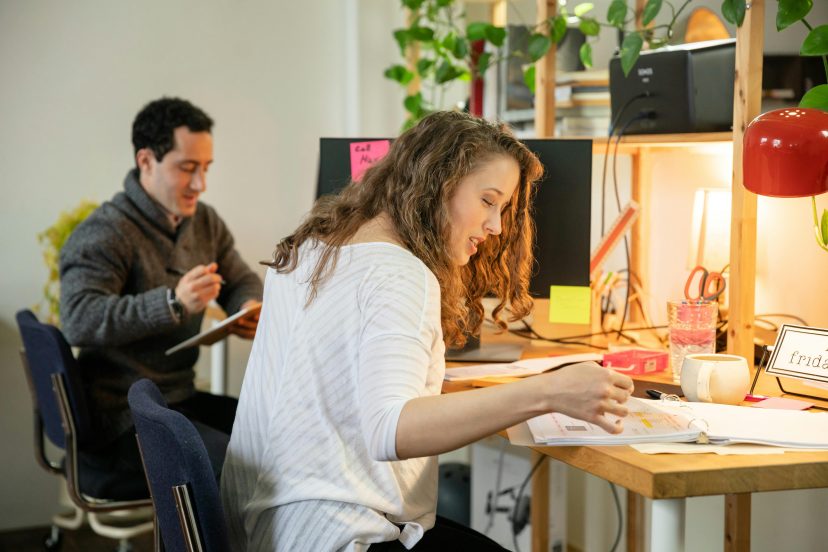
Good lighting makes work easier on your eyes and helps you stay focused longer. When lighting levels match your task, your brain spends less energy adjusting, so productivity naturally improves.
For example, a well-known study on how lighting quality affects working efficiency and employee well-being found that workers performed tasks more efficiently and reported higher satisfaction when lighting met recommended standards. The research also showed that poor lighting can increase fatigue and reduce performance.
Similarly, a comprehensive review on the impact of dynamic LED lighting on stress, sleep, and productivity revealed that adjustable lighting conditions helped reduce stress levels and support better daily performance.
Together, these findings show a simple truth: better lighting supports clearer thinking, steadier energy, and more productive workdays.
Key Features of Good Ergonomic Lighting
Not all desk lamps are created equal. Effective ergonomic lighting includes several important features.
Adjustable Brightness
Brightness needs change throughout the day. Light in the morning has a different feel compared to light later in the day.
Adjustable brightness lets you match lighting to your task and environment.
Color Temperature Control
Color temperature affects mood and focus.
Cool white light boosts alertness. Warm light promotes relaxation.
Being able to switch between them helps maintain energy levels.
Proper Light Placement
Lighting should illuminate your workspace without shining directly into your eyes.
Ideally, light should come from the side opposite your dominant hand.
Reduced Glare
Glare causes discomfort and reduces visibility.
Ergonomic lighting minimizes reflections on screens and surfaces.
Types of Ergonomic Lighting for Different Workspaces
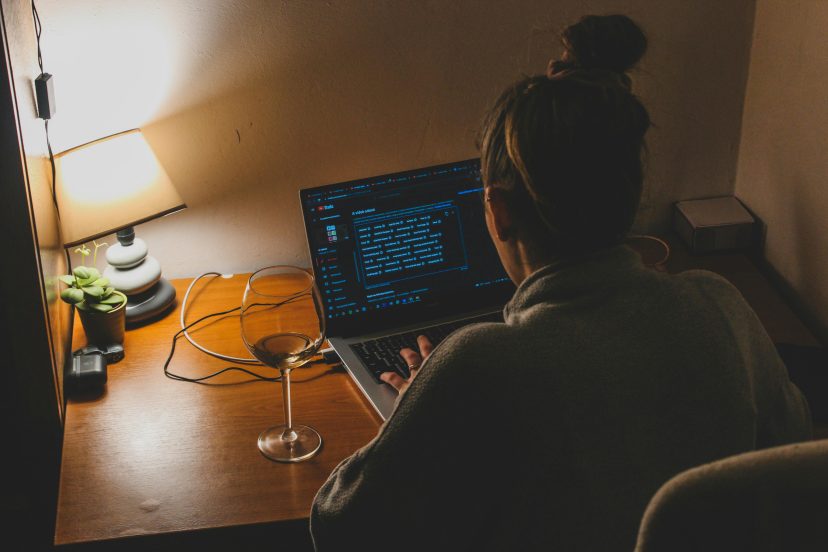
Each setting calls for its own type of lighting approach.
Here are the most common types.
Desk Lamps
Desk lamps provide focused lighting for detailed tasks.
They work well for:
- Office work
- Reading
- Writing
- Computer use
Floor Lamps
Floor lamps offer broader lighting coverage.
They suit:
- Home offices
- Shared workspaces
- Creative studios
Task Lighting
Task lighting targets specific work areas.
It improves visibility and reduces strain during precision tasks.
Ambient Lighting
Ambient lighting is designed to brighten the entire room.
It creates a balanced environment and reduces harsh shadows.
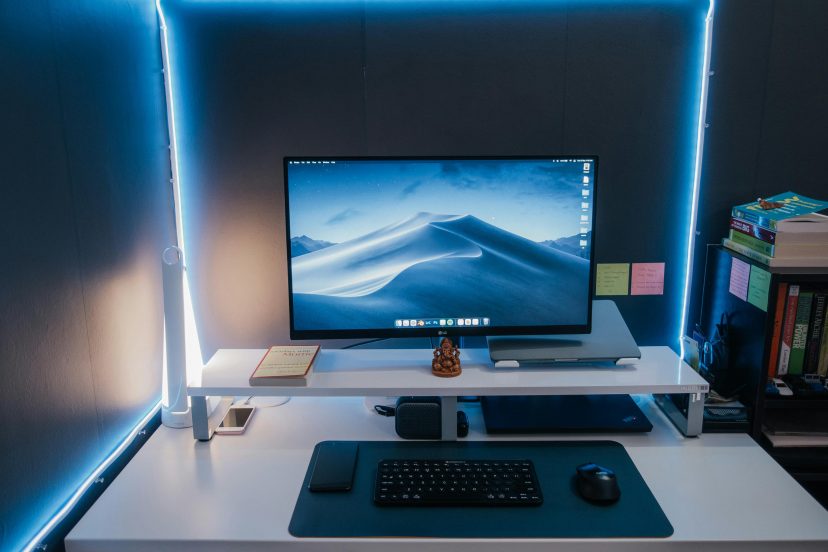
Simple Ways to Improve Lighting in Your Workspace Today
You don’t need a complete office makeover to improve lighting. Small changes make a big difference.
Try these steps:
Position your light correctly
Increase brightness gradually
Use natural light when possible
Reduce screen glare
Adjust lighting throughout the day
These simple adjustments often deliver immediate results.
Recommended Ergonomic Lighting Products
Here are reliable options that consistently perform well in real work environments.
1. BenQ e-Reading LED Desk Lamp
Known for wide coverage and adjustable brightness, this lamp supports long work sessions without causing eye fatigue.
Best for:
Professionals working long hours
Students
Home office users
2. LED Desk Lamp with USB Charging Port
This lamp combines functionality with convenience. It usually comes with adjustable brightness and various color settings.
Best for:
Office workers
Remote employees
Multi-tasking setups
3. LEPOWER Metal Desk Lamp
A durable and budget-friendly option that provides steady lighting.
Best for:
Basic workspaces
Students
Small desks
4. Philips Hue Smart Desk Lamp
Smart lighting allows voice control and automated adjustments.
Best for:
Tech-savvy users
Flexible work schedules
Modern offices
5. OttLite LED Desk Lamp
Designed specifically to reduce eye strain, this lamp delivers clear, natural-looking light.
Best for:
Detailed tasks
Reading
Creative work
Common Lighting Mistakes That Hurt Productivity
Many people lose focus and energy because of simple lighting mistakes. These issues are easy to fix once you recognize them.
Using only overhead lighting – Ceiling lights alone can create shadows and uneven brightness. A desk lamp provides better, more direct light.
Working in dim environments – Low light makes it harder to see clearly and can cause eye strain and fatigue.
Ignoring glare from screens – Glare from windows or lights forces you to squint and reduces concentration.
Using the wrong color temperature – Light that is too warm can make you sleepy, while light that is too cool can feel harsh.
Keeping lighting fixed all day – Your lighting needs change throughout the day, so adjustable lighting helps maintain comfort and focus.
Avoiding these mistakes often leads to noticeable improvements in comfort and performance. For even greater comfort during long work hours, pairing proper lighting with supportive tools like an ergonomic neck pillow. This can help reduce tension and keep your posture aligned throughout the day.
How to Choose the Right Ergonomic Lighting for Your Needs
The right lighting depends on how and where you work. Everyone has different needs, so what works for one person may not suit another.
Consider these factors:
- Work hours
- Screen time
- Room size
- Desk position
- Personal comfort
For example, people who work late may benefit from adjustable color temperature. Meanwhile, designers often need brighter light and accurate color.
The key is choosing lighting that can adjust to your needs.
Conclusion
A productive workspace starts with the right environment, and lighting plays a major role. Ergonomic lighting helps you stay comfortable, think clearly, and work more efficiently. Even small adjustments can improve your day. If you want a simple upgrade that delivers real results, improving your lighting is a smart place to begin.
FAQs
1. What is ergonomic lighting?
Ergonomic lighting is lighting designed to reduce eye strain, improve visibility, and support comfort during work.
2. Does lighting really affect productivity?
Yes. Proper lighting improves focus, reduces fatigue, and helps people complete tasks more efficiently.
3. What color light is best for productivity?
Cool white light typically boosts alertness and concentration, especially during daytime work.
4. How bright should desk lighting be?
Desk lighting should be bright enough to read comfortably without causing glare or eye strain.
5. Can ergonomic lighting reduce headaches?
Yes. Proper lighting reduces eye strain and visual fatigue, which are common causes of headaches during long work sessions.