The Best Ergonomic Reading Chairs
We may earn a commission for purchases made using our links. Please see our disclosure to learn more.
If you love getting lost in a good book, you know how much the right chair shapes the experience. The wrong one leaves you shifting and stretching before you’ve even reached chapter three, while well-designed ergonomic reading chairs support your spine, reduce muscle strain, and keep you comfortable for longer sessions. These chairs fit naturally into living rooms, bedrooms, and dedicated reading nooks—not just offices. In this guide, we’ll explore the top styles and product picks that keep your whole space comfortable and well-balanced.
What Makes Ergonomic Reading Chairs Different?
Ergonomic reading chairs stand out because they’re designed to support the way your body naturally sits while reading. Most people don’t notice how easily their posture collapses during a long session—you lean forward, your shoulders round, and your neck tilts toward the page or screen. It feels harmless in the moment, but over time that position puts extra strain on the spine and forces your muscles to work harder than they should.
A well-designed ergonomic reading chair helps prevent that. Its shape, padding, and angles encourage your spine to stay in a natural S-curve, keeping your head aligned and your shoulders relaxed. When the chair supports your posture instead of allowing your body to slump, reading feels lighter, easier, and much more comfortable—especially when you’re in the same position for a while.
Key Features Every Good Reading Chair Should Have
A chair may look comfortable, but that doesn’t automatically make it ergonomic. The best reading chairs blend comfort with smart support features that help your body stay relaxed and aligned, even during long stretches of reading. Here are the elements that make the biggest difference:
Lumbar Support – Good chairs support the lower back curve, helping prevent slouching and reducing strain.
Adjustable Headrest – Helps keep your neck neutral, especially when reading digital screens.
Armrests (2D or 4D) – Give your shoulders a chance to drop and relax.
Seat Depth Adjustment – Prevents thigh pressure and allows your hips to sit fully back into the chair.
Recline and Tilt Options – Let your body shift naturally throughout long reading sessions.
Materials That Support, Not Collapse – High-density foam, molded cushioning, or breathable mesh hold your body firmly yet comfortably.
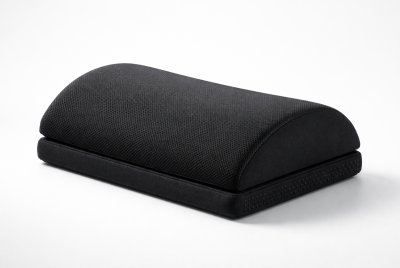
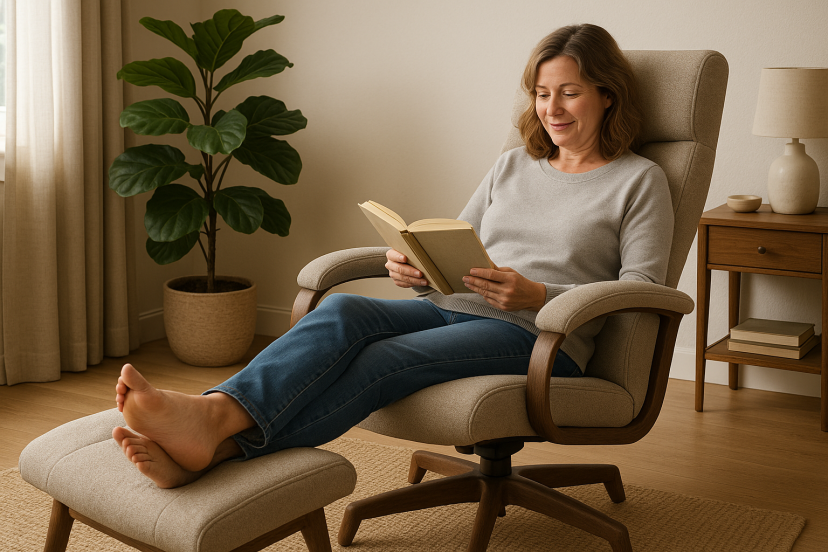
Foot Support – An ottoman or built-in footrest helps improve circulation and reduce hip pressure.
These features aren’t bells and whistles—they’re the foundational elements behind long-term comfort.
Types of Ergonomic Reading Chairs
One of the best parts about ergonomic seating is that you’re not limited to one design. Whether you want a cozy accent chair, a sleek recliner, or a classic mid-century lounge, there’s an ergonomic version of it.
Classic Lounge Chairs
The iconic Eames Lounge Chair & Ottoman always makes the top of the list. It’s stylish, supportive, and angled for natural spinal alignment. Though pricey, this timeless piece has shaped the standard for luxury ergonomic lounging.
Accent and Armchairs
Accent chairs can deliver comfort and style at the same time, making them a great fit for reading spaces. Look for:
- Firm seat cushions
- Curved backrests
- Supportive padding
- Optional ottomans
They blend comfort with décor, making them perfect for reading corners.
Office Chairs Adapted for Reading
Many readers prefer to sit upright or shift between reading and using a tablet or laptop. Ergonomic office chairs shine here because of their adjustability.
Brands like HON, Steelcase, Branch, and OdinLake offer chairs with adjustable arms, tilt controls, lumbar support, and breathable mesh—features that translate naturally to reading comfort.
If you often read or study on a laptop, using an ergonomic stand can lift the screen to eye level and ease neck strain—a simple change that noticeably improves comfort.
Recliners
Recliners give you total-body support. Modern models feature quiet recline mechanisms, padded lumbar zones, and supportive footrests. They’re perfect for nighttime readers who want to relax without compromising posture.
Supportive Bean Bags
Today’s bean bags aren’t loose, shapeless cushions. High-quality models use proprietary foam blends that contour around your body while still holding structure. They’re casual, adaptive, and surprisingly ergonomic when designed well.
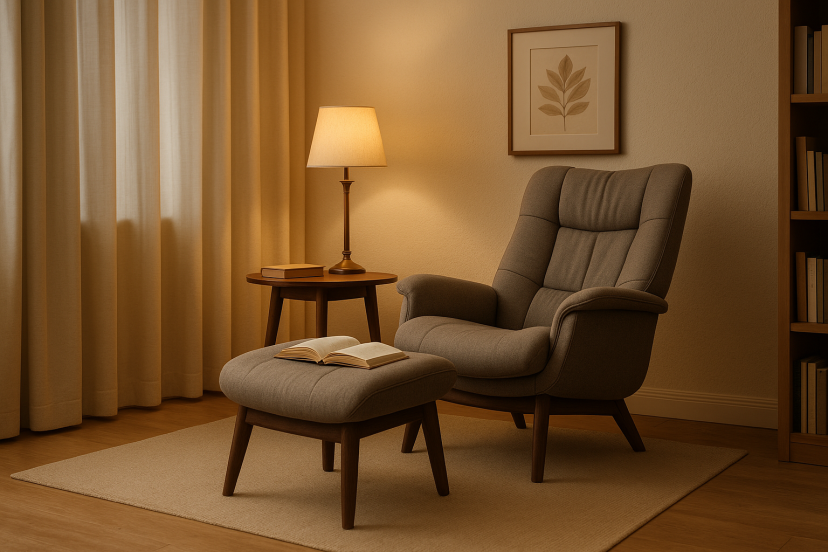
The Best Ergonomic Reading Chairs
The chairs below strike a balance between comfort and functional ergonomics, making them excellent options for living rooms, bedrooms, and cozy reading corners.
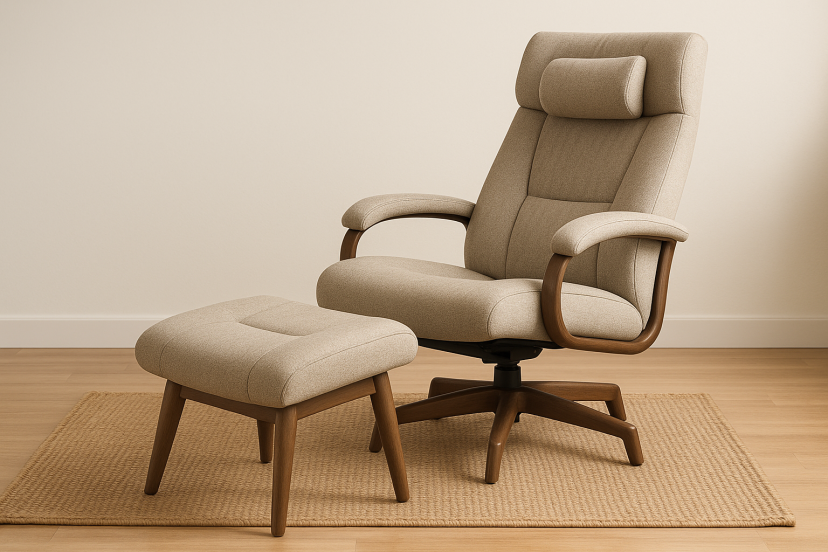
1. Welnow Reading Chair with Ottoman
This stylish upholstered chair features a supportive backrest, comfortable armrests, and a matching ottoman that elevates your legs to reduce hip and lower-back pressure. Its slightly angled design makes it easy to settle in with a book, while the structured cushioning keeps your posture from collapsing during longer sessions.
2. Ergonomic Recliner with Footrest
Designed for both relaxation and posture, this recliner offers an ergonomic recline angle that supports the spine without encouraging slouching. The included footrest improves circulation and reduces tension, making it ideal for evening reading or extended lounging.
3. Sweetcrispy Adjustable Massage Recliner
While known for its cozy feel, this recliner also delivers ergonomic benefits through supportive lumbar padding and adjustable back angles. The massage feature is a bonus, but the real advantage is its structured cushioning, which helps maintain comfortable alignment during long reading sessions.
4. Yaheetech Oversized Papasan Chair
Papasan chairs are naturally ergonomic thanks to their bowl-shaped design that gently cradles the spine. This oversized version offers deep, plush cushioning and a wide supportive frame, making it perfect for curling up with a book while still keeping your back supported.
5. Bme Ergonomic Papasan Chair
This upgraded papasan chair features a reinforced frame and an ergonomic S-curve shape that distributes body weight evenly. The thick cushion and rounded base offer a supportive lounging posture that works surprisingly well for long reading sessions, especially in cozy corners.
Product Comparison Table
| Chair Model | Best For | Key Ergonomic Features | Comfort Level | Adjustability | Price Range |
| Welnow Chair with Ottoman | Compact reading setups | Supportive backrest, armrests, leg elevation | ⭐⭐⭐⭐ | Low (fixed design) | Budget–Mid |
| Ergonomic Recliner w/ Footrest | Full-body support | Recline positioning, lumbar-friendly cushioning, footrest | ⭐⭐⭐⭐⭐ | Medium | Mid |
| Sweetcrispy Adjustable Massage Recliner | Relaxed posture + extra comfort | Adjustable angles, lumbar padding, soft cushioning | ⭐⭐⭐⭐⭐ | Medium | Budget–Mid |
| Yaheetech Oversized Papasan Chair | Curled-up, cozy reading | Cradling bowl shape, plush cushioning, wide support | ⭐⭐⭐⭐ | Low | Budget–Mid |
| Bme Ergonomic Papasan Chair | Structured lounge ergonomics | Reinforced ergonomic frame, deep cushioning | ⭐⭐⭐⭐ | Low | Mid |
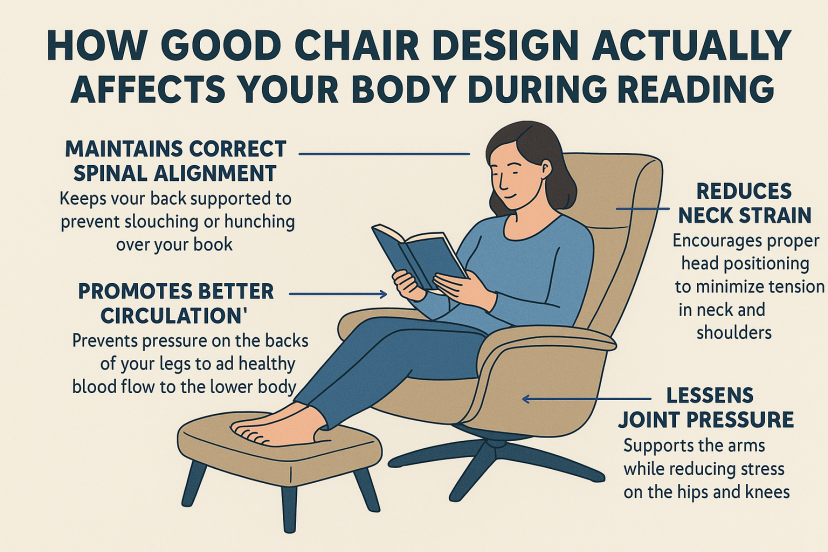
How Good Chair Design Actually Affects Your Body During Reading
If you’ve ever stood up after a long reading session and felt that familiar pinch in your back or neck, you’re already experiencing the effects of poor seating. The way a chair supports your spine has a surprisingly big impact on how your body feels afterward, and several well-established posture studies help explain why.
One broad review in the Journal of Clinical Medicine looked at how small ergonomic adjustments—better lumbar support, improved seat height, and more adaptable setups—affect everyday discomfort. After examining 24 trials, the authors found consistent reductions in lower-back, neck, and upper-back strain. You can explore the summary in this comprehensive review of ergonomic interventions.
Another study focused on how specific chair features influence posture over time. Researchers tested different combinations of lumbar pads, seat tilt, and scapular relief to see which setup best maintained a neutral spine. The most effective approach paired a supportive lumbar curve with a gentle seat tilt, promoting more natural alignment and reduced muscle tension. You can read more in this research on how chair design affects spinal posture.
Together, these insights highlight a simple truth: even the best ergonomic reading chair works best when you allow your body to move and shift. The goal isn’t to lock yourself into one position—it’s to give your spine the support it needs so you can read longer without that uncomfortable “post-reading stiffness.”
Conclusion
The perfect ergonomic reading chair blends comfort, stability, and thoughtful design. Whether you prefer the structured elegance of a lounge chair, the adjustability of an office chair, or the full-body support of a recliner, the goal is always the same: to help your body relax while keeping your posture healthy. When you choose a chair with strong lumbar support, adjustable features, supportive materials, and the right angle for your body’s natural curves, reading becomes more enjoyable and less tiring. You can sit longer, focus better, and finish each session feeling refreshed instead of stiff. Your next favorite book deserves a chair that supports the entire journey.
FAQs
Do ergonomic chairs actually make reading more comfortable?
Yes. They support your spine, reduce neck and shoulder strain, and help you stay comfortable during longer reading sessions.
What is the most ergonomic type of chair?
Chairs with adjustable lumbar support, adjustable armrests, recline options, and high-density cushioning. Office-style ergonomic chairs and recliners offer the most adjustability.
What are the benefits of a reading chair?
They improve posture, enhance comfort, reduce fatigue, and increase reading stamina.
What chair style is best for reading?
Lounge chairs, recliners, ergonomic office chairs, and structured accent chairs. The best style depends on whether you prefer upright or reclined reading.
How do I know if a chair is ergonomic?
Look for lumbar support, adjustable elements, supportive materials, a natural seat angle, and the ability to maintain a neutral spine without effort.